

Beachfront Campus · Forest City · Johor Bahru
MEC Junior Intensive English Camp
Four weeks away on their own — immersion English by day, sailing on Friday
Immersion English by day, class activities and reading in the evening, and sailing on the sea on Friday afternoon. A winter camp built around four weeks that ties English and watersports into one course.
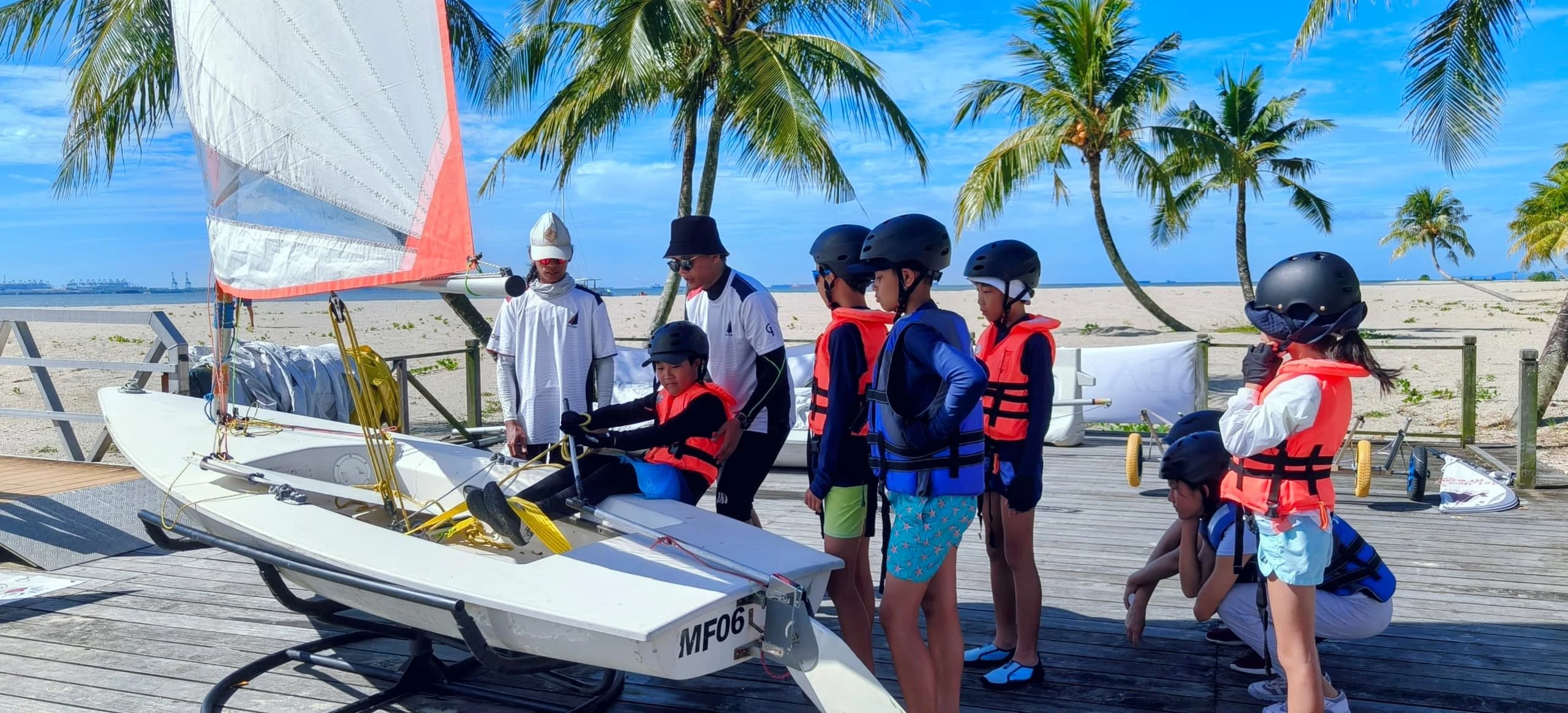
4.5 hours every Friday
Dinghy sailing, international Level 1 course, with MSA-certified coaches
01 — At a glance
Growing up together, inside the group
A residential camp for children joining without their parents. Alongside English, healthy physical activity keeps the balance. From the end of lessons to lights out at the dormitory, a house parent is always with them.
02 — Why MEC boarding
Four weeks at a school facing the sea
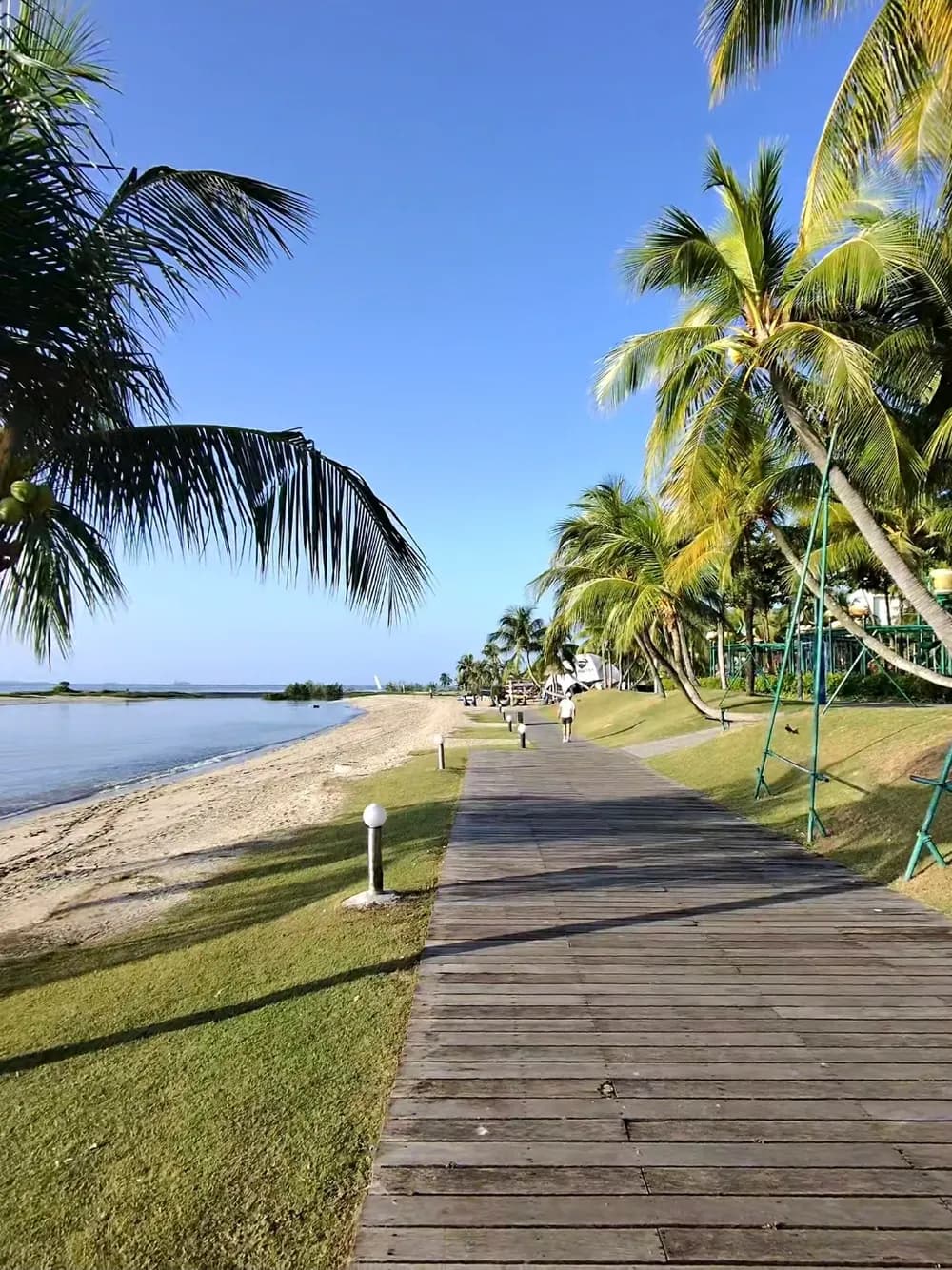
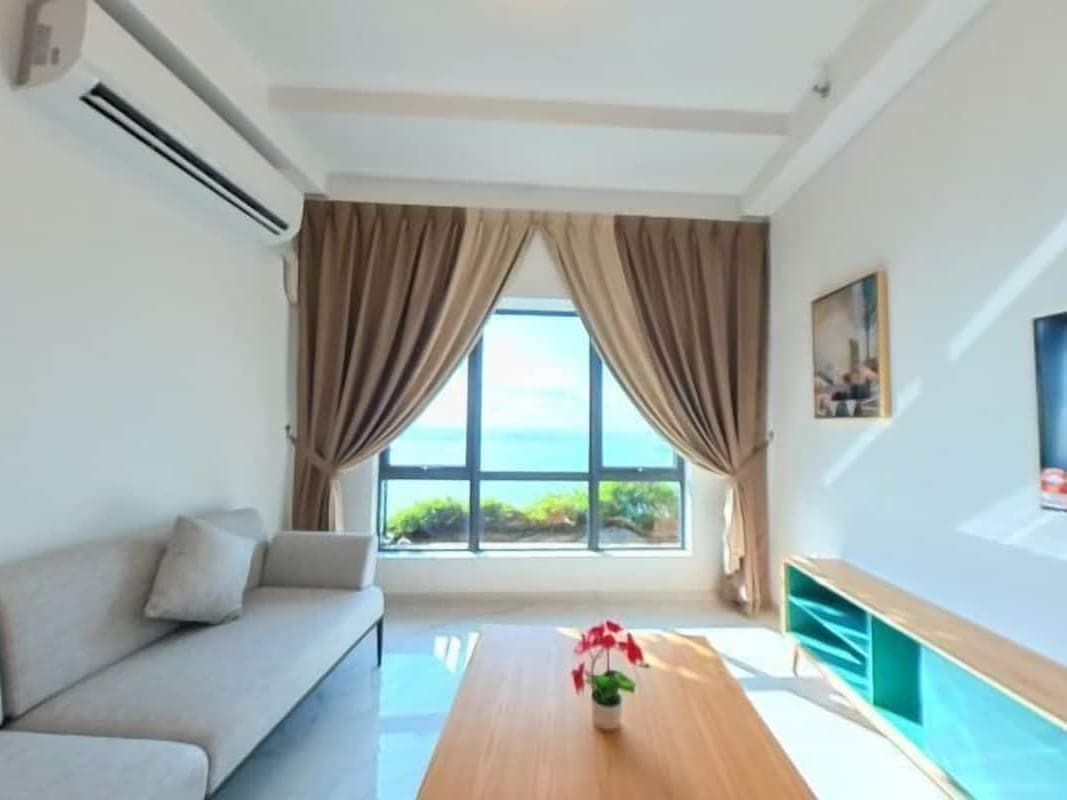
The MEC Forest City campus is a beachfront school, right on the shore. The sea is outside the classroom window and the marina is a short walk away, which is what makes sailing and swimming part of the course rather than an optional extra.
One-to-one focus
Three one-to-one lessons with a native teacher every day correct weaknesses directly and push speaking time as high as it will go.
Sailing · Swimming
Friday sailing with MSA-certified coaches and Wednesday evening swimming — the sea is the second classroom.
Full care, all day
A house parent lives alongside the students 24 hours a day and sends news to guardians every day.
A genuinely international group
Korean, Taiwanese and Chinese students learn in one classroom, which makes English the only shared language.
03 — The day
Nine lessons a day, and learning that runs into the evening
Three one-to-one lessons sit inside the nine regular lessons, and after dinner the Reading Club and class activities carry on.
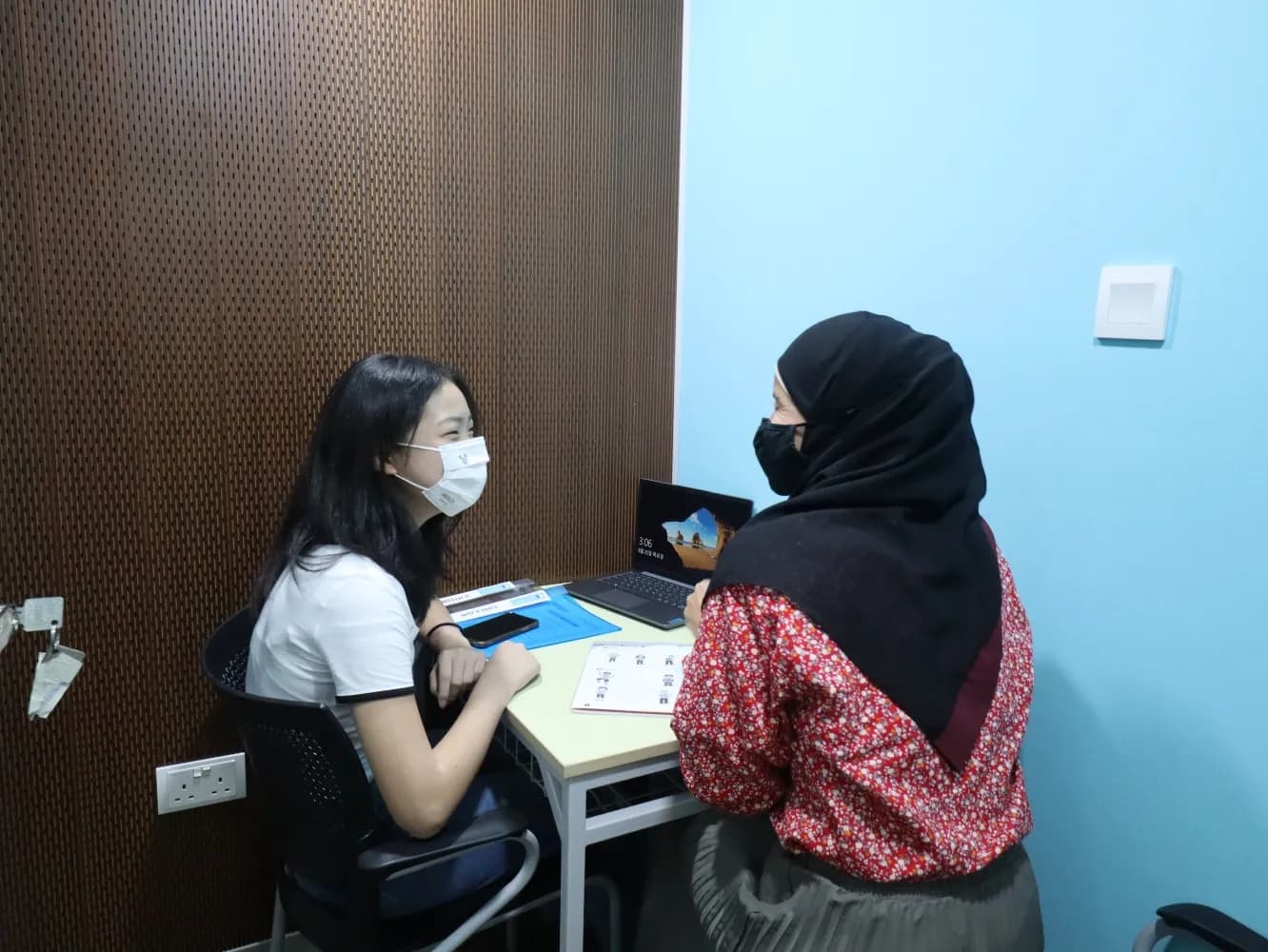
One-to-one lessons — 3 a day
Tailored lessons with a native teacher that correct weak points and train speaking. This is the centre of the boarding programme.
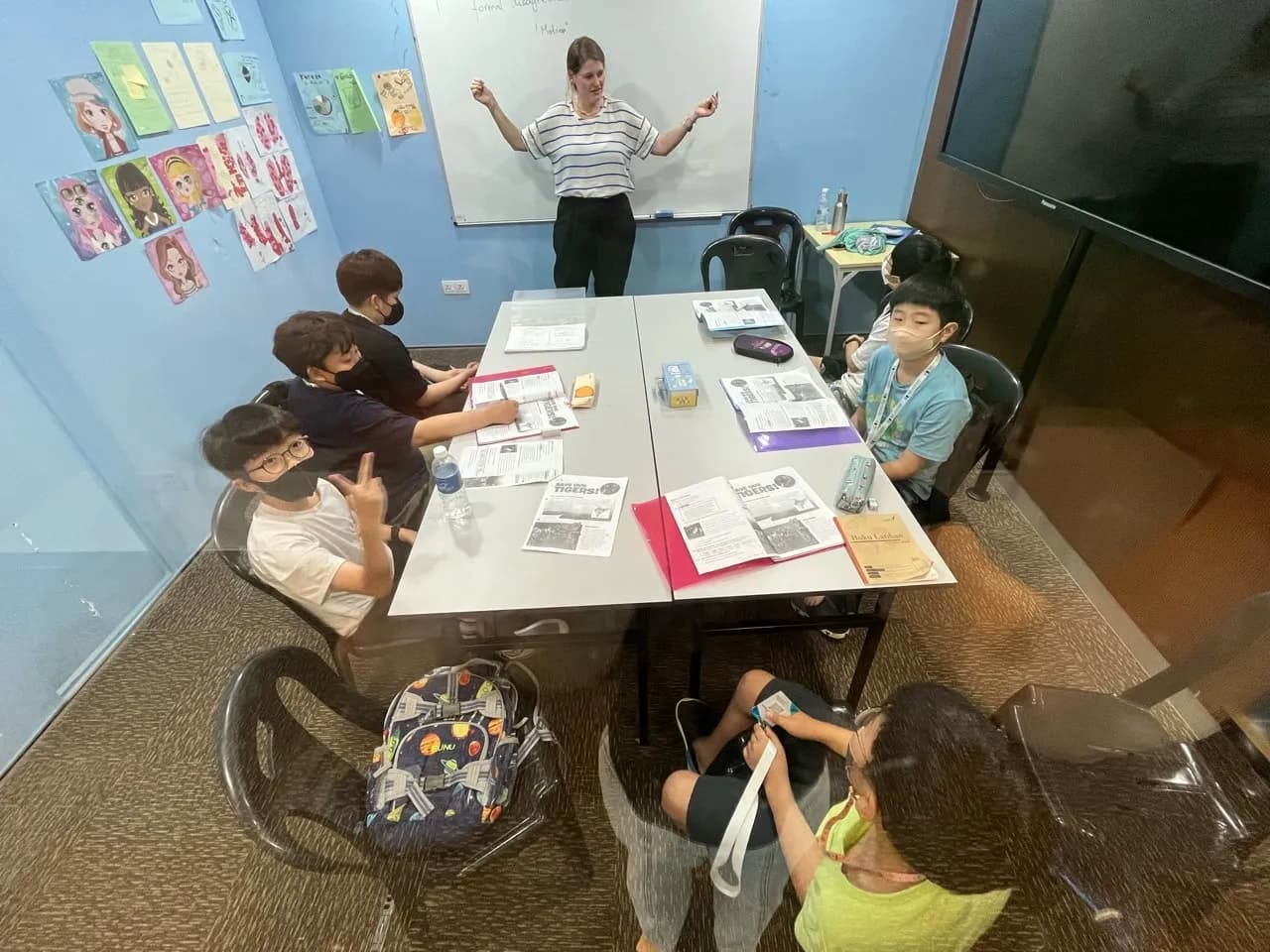
Small-group lessons — 4 a day
Level-based classes covering speaking, writing, reading and grammar. The timetable is set by the placement test on day one.
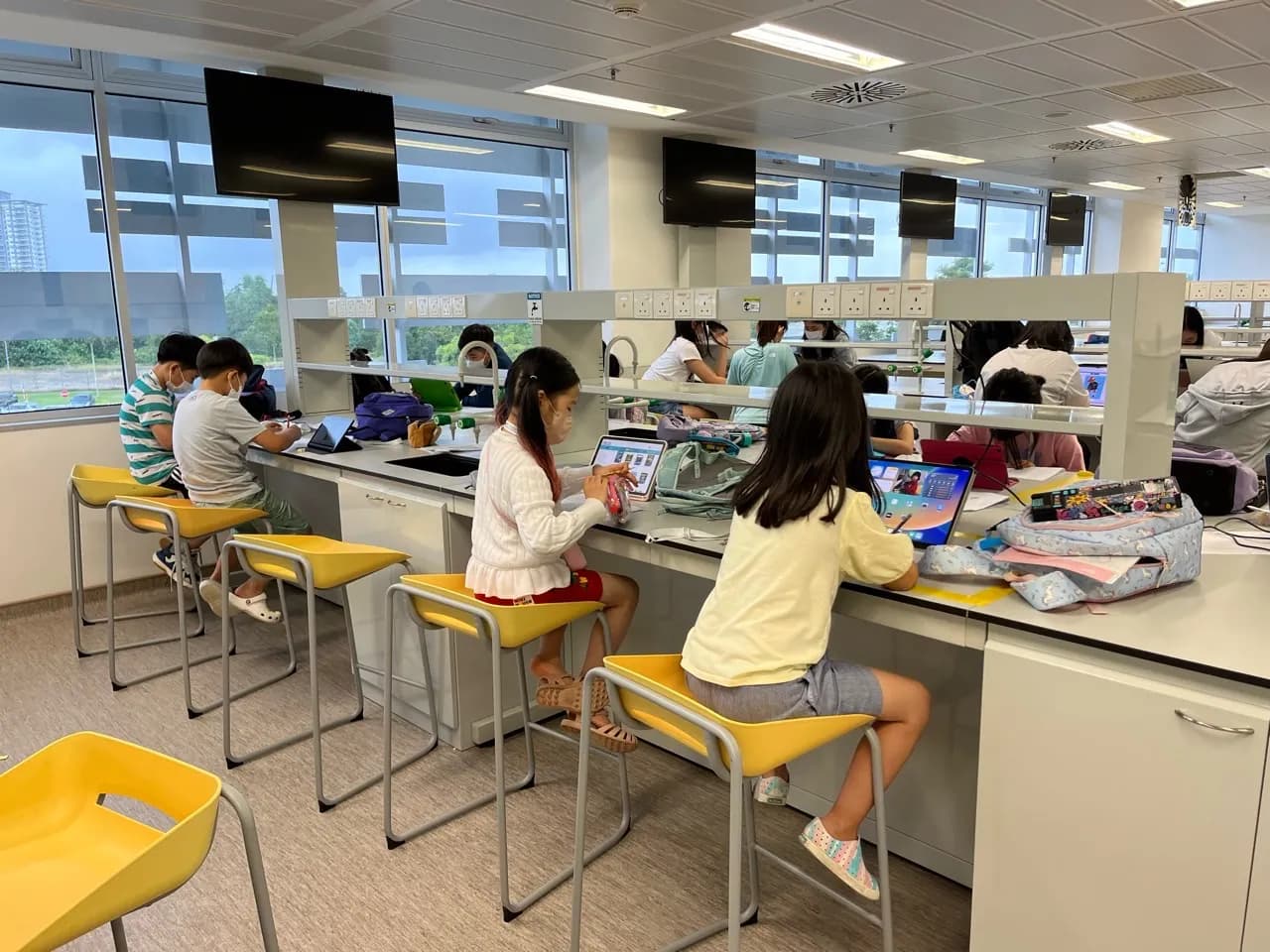
Renaissance Reading — 1 a day
Students read levelled English books closely, then finish with a summary and a short piece of writing. A tablet is required.
Chess — 1 a day
Training strategic thinking and concentration. English stops being a “subject” and becomes the tool they learn something else with.
From wake-up to lights out — day by day
In a camp without parents, the camp takes on the child’s whole day. So we publish more than the lesson timetable: waking, meals, the evening programme and bedtime, for each kind of day. Weekdays centre on lessons, Saturday is a full-day excursion, and Sunday is for admin and rest.
- 07:00Wake up · wash · tidy the room
- 07:50Breakfast
- 08:00Wake up · wash
- 08:30Breakfast
- 08:00Wake up · wash
- 08:30Breakfast · rest
- 09:00Lesson 1 · group class
- 09:50Lesson 2 · group class
- 10:40Lesson 3 · group class
- 11:30Lesson 4 · group class
- 09:30Depart for the excursion — full-day course
- 09:30Morning: personal admin · laundry
- or an outdoor water park
- 12:15Lunch · break
- Lunch on the excursion
- 12:30Lunch
- 13:10Lesson 5 · one-to-one
- 14:00Lesson 6 · one-to-one
- 14:50Lesson 7 · one-to-one
- 15:40Lesson 8 · Renaissance Reading
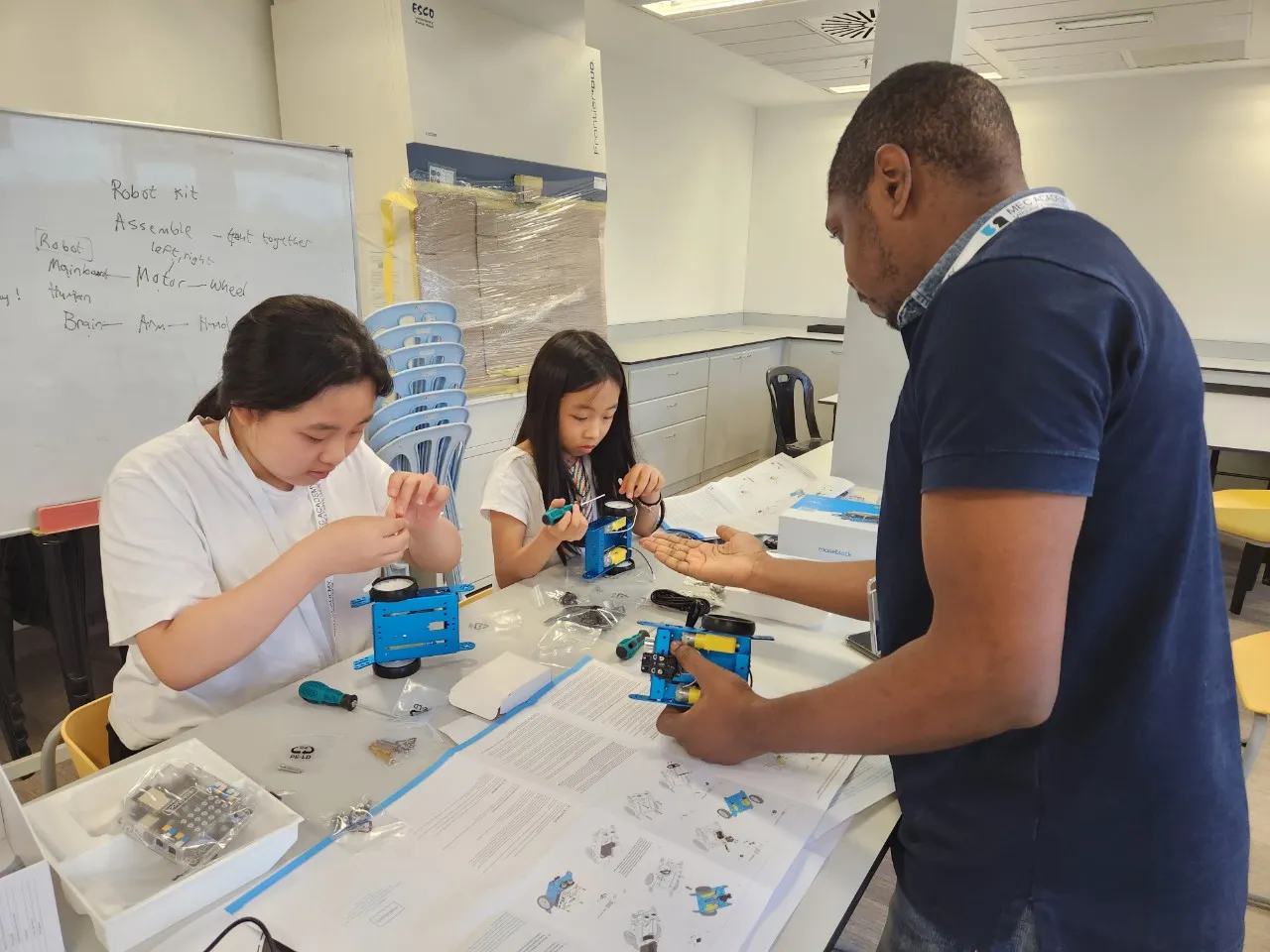
- 16:30Lesson 9 · robotics coding & chess
Friday afternoon replaces class with 4.5 hours of dinghy sailing (part of the course)
- ~ 17:00Excursion · back by 17:00
- Afternoon — rest or a trip to the shopping centre
- 17:15Break · free time
- 18:00Dinner
- 19:00Evening programme — Reading Club · class activities
On Wednesday evening, swimming replaces Reading Club · class activities (once a week)
- 18:00Dinner · free time
- 18:00Dinner · preparing for the week ahead
- 20:30Personal time · getting ready for bed
- 22:00Lights out
- 20:30Personal time · getting ready for bed
- 22:00Lights out
- 20:30Personal time · getting ready for bed
- 22:00Lights out
- Saturday excursions shift slightly week to week with traffic, local opening hours and weather. Departure and return times are confirmed with guardians the week before.
- Sunday is also arrival and departure day. Students join and leave accompanied by a parent or guardian — arrival Sundays from 15:00, departure Sundays at 11:00.
3 of the 9 lessons each day are one-to-one with a native teacher. The evening programme runs separately from 19:00 as Reading Club · class activities, with swimming on Wednesday evening.
04 — The week
Immersion Mon–Thu, the sea on Friday, the world on Saturday
Immersion lessons midweek + evening class activities + Friday sailing + a full-day Saturday excursion. Sunday is arrival, departure and free time.
- 3 one-to-one lessons
- 4 small-group lessons
- Renaissance Reading · chess
- Evening — Reading Club · class activities (swimming on Wednesday)
Morning lessons as usual, then 4.5 hours of dinghy sailing in the afternoon — part of the course.
A full-day excursion — four courses on a four-week rotation.
Arrival (Sundays from 15:00) · free time · personal admin. Departure is Sundays at 11:00.
05 — Signature
Every Friday, the sea becomes the classroom
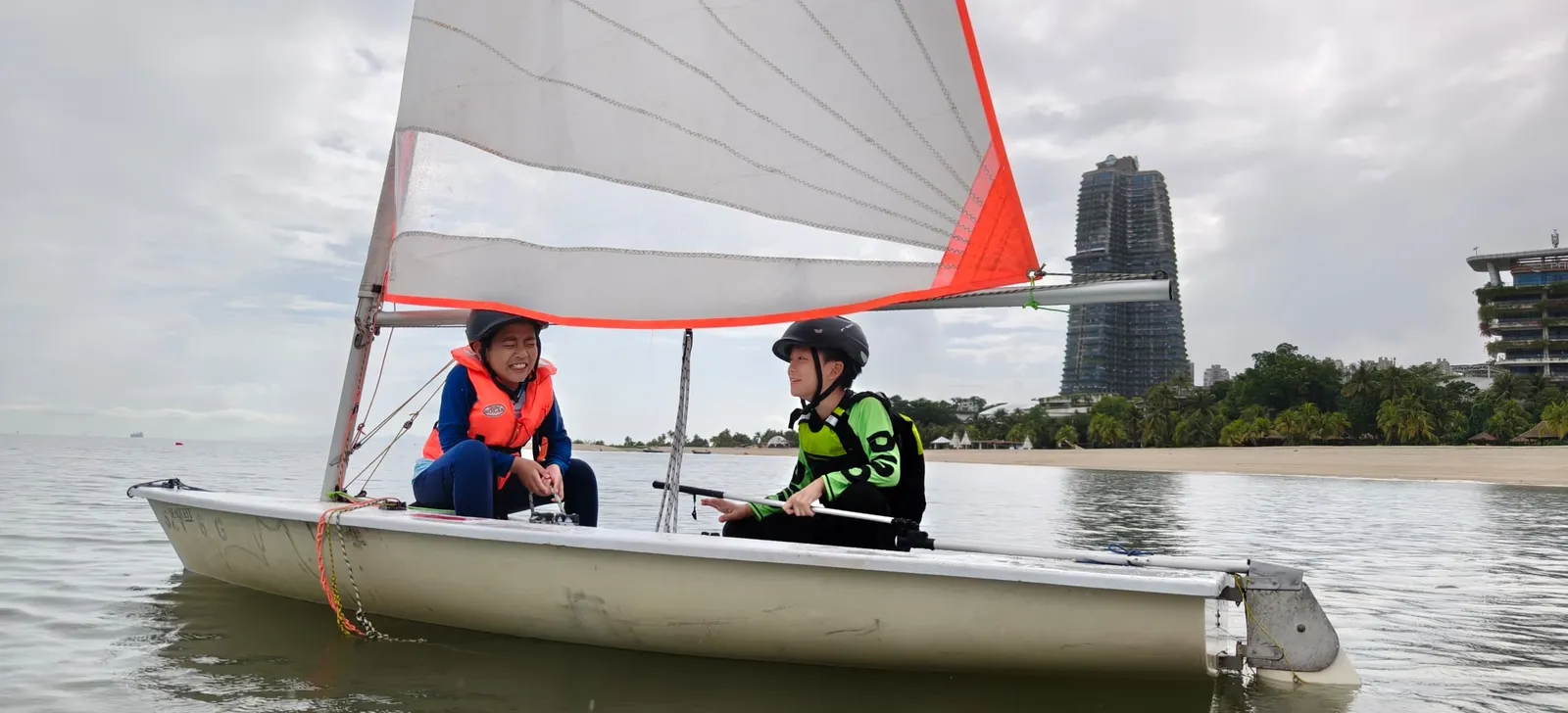
At the marina in front of the campus, 4.5 hours of dinghy sailing runs every Friday afternoon as part of the course. One coach takes 3–6 students, so it stays a small group.
MSA-certified coaching
Every coach has completed certification with the Malaysian Sailing Association (MSA), the national governing body for sailing recognised by the Olympic Council of Malaysia.
Recognised for international youth awards
The dinghy sailing course can be logged towards The Duke of Edinburgh’s International Award and as a CAS activity for the IB Diploma.
Confidence and resilience
Reading the wind and the water and deciding for themselves builds teamwork, leadership and problem-solving on the water. All instructions and check-ins during team sailing happen in English.
What they learn — Dinghy Level 1
A course that builds the ability to sail a dinghy single-handed in light winds. On completion, students demonstrate for themselves that they can handle a dinghy safely and with confidence.
- 01Sailing single-handed in light winds — control and safety
- 02Collision-avoidance rules at sea (COLREGs)
- 03Choosing and wearing safety equipment
- 04Rigging the boat · preparing to launch
- 05Balancing the boat by shifting body weight
- 06Setting a course, turning and slalom
- 07Controlling speed with the mainsheet
- 08Tiller work · sail trimming
- 09Close-hauled sailing and tacking
- 10Running and gybing — holding balance
- 11Stopping the boat from various points of sail
- 12Preparing for a tow
- 13Recovering from a capsize and sailing on
- 14Essential knots (figure-of-eight and others)
- 15Reading the weather and the basics of sail aerodynamics
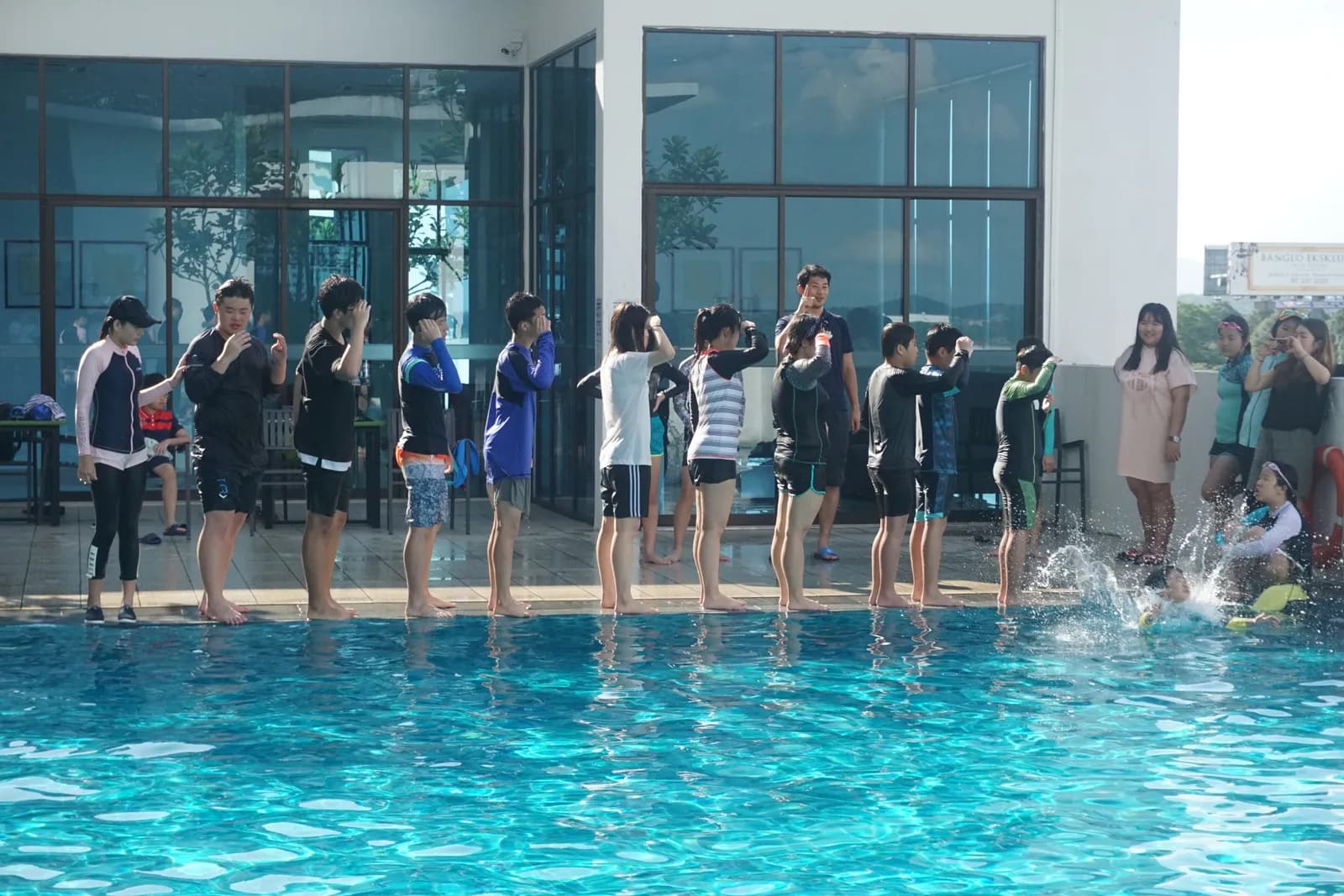
Evening Swim
Wednesday evening swimming — once a week
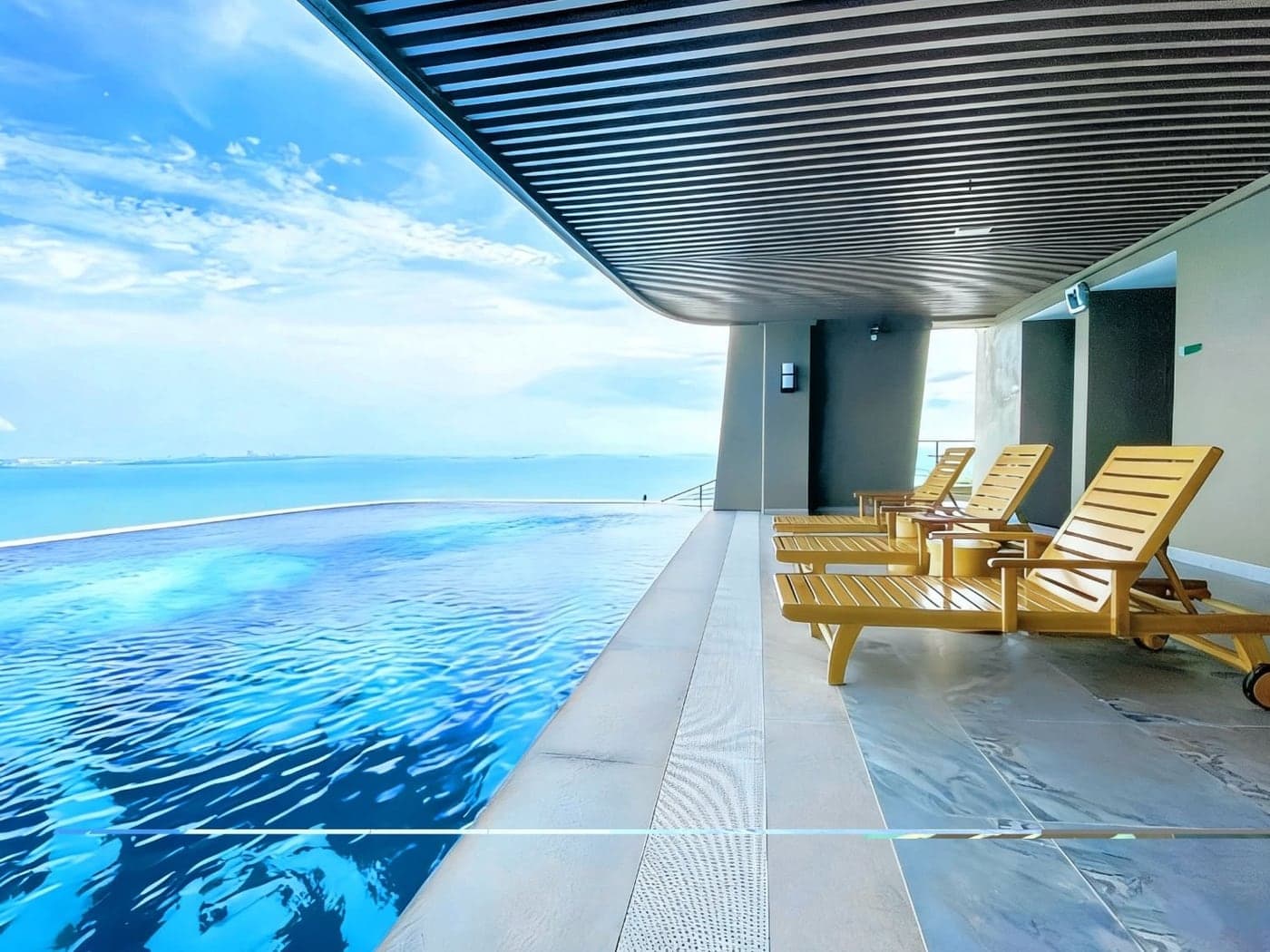
Every Wednesday evening at the campus pool, time to get comfortable in the water. It is not a lesson but supervised play with safety guidance, so children who cannot swim can still take part. A child who is at ease in the water is bolder at sea on Friday.
06 — Outside the classroom
Every Saturday they cross a border to learn
Ecology, science, history, English in the wild — the four courses each teach something different. It is not a day of sightseeing: they ask the local guide questions in English, handle things with their hands and plan their own route. Malaysia and Singapore alternate week by week, so even a two-week stay visits both countries.
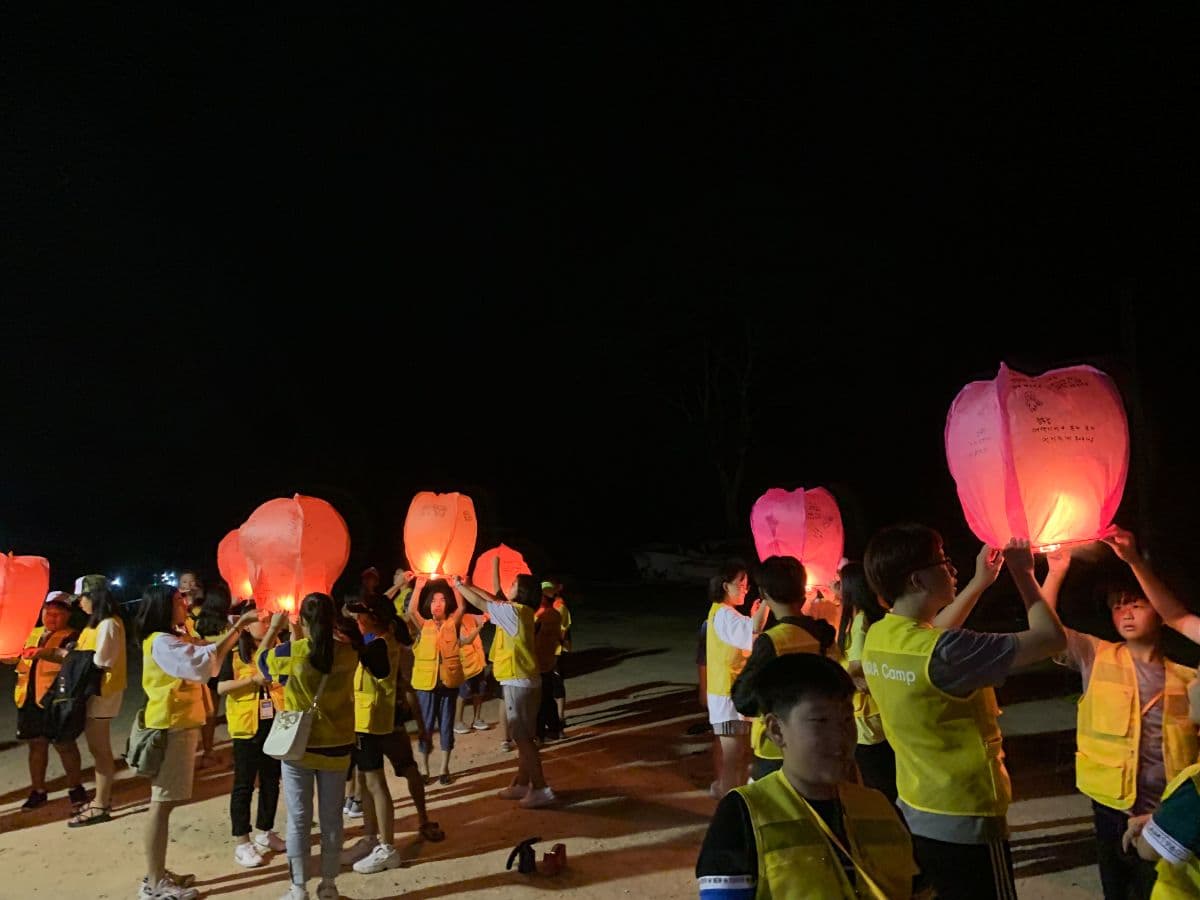
Fireflies & Sky Lanterns
A firefly cruise up the mangrove river, then writing a wish onto a lantern and letting it go.
Students ask the local guide — in English — why fireflies live only along this river. The talk moves on to what mangrove forests do and how light pollution affects the fireflies. It is the night the ecosystems chapter of the textbook comes alive in front of them.
1/9(Sat) · 2/6(Sat)
Gardens by the Bay & Science Centre
The Supertree light show at Gardens by the Bay, then hands-on exhibits at the Science Centre.
They see how the Supertrees harvest rainwater and light themselves with solar power, then run the experiments with their own hands at the Science Centre. Every label is in English, so there is a real reason to read.
1/16(Sat) · 2/13(Sat)
Malacca Day Tour
UNESCO World Heritage old town · Safari World · river cruise.
Portuguese, Dutch and British buildings stand on one street. Students ask and answer why four countries left their mark on a single city, and walk through food and streets where Malay, Chinese and Indian cultures mix.
1/23(Sat) · 2/20(Sat)
Universal Studios
A day inside English-speaking pop culture — the finale of the camp.
In small teams they read the map and plan their own route. Queuing, ordering and asking directions all happen in English — the first time weeks of practice get used somewhere that is not a test.
1/30(Sat) · 2/27(Sat)
Every Saturday of the season — the two countries alternate
Whichever week they join, the same country never comes twice in a row — even a two-week stay visits both. The dates for each course are on the cards above.
Students join every excursion that falls within their enrolled weeks — admission and transport are inside the fee, so there is nothing extra to pay on Saturdays. The standard timing is 09:30 out and 17:00 back. Meals during the excursion are bought by the students themselves with pocket money (ordering in English is part of the day). Times shift slightly week to week with external schedules.
A day outside without parents — how we keep it safe
Saturday is the only day children leave the campus. So we publish the operating standards as they are, from staffing ratios to what happens if a child gets separated.
Teachers travel with them
One accompanying teacher for every 8–10 students. Headcounts are taken by team at every transfer, entry and free-time block, with team leaders double-checking their own members.
Briefing before departure
The route, meeting times and meeting points are confirmed before leaving, in English and in the students’ own language. Every student carries a card with the accompanying teacher’s contact details.
If a child gets separated
“Stop where you are and show the card to a staff member” is rehearsed repeatedly. Lost-child procedure is a fixed item in every pre-departure briefing.
If a child is unwell or injured
The accompanying teacher carries a first-aid kit, goes straight to a local hospital if needed, and contacts guardians the same day. Allergies and medication are collected on the application form and known to the teacher in advance.
Transport · Insurance
The group travels by chartered coach; there are no public-transport transfers. Travel insurance is not included, so we strongly recommend arranging it before departure.
A record of the day
Activity photos are posted the same day, so guardians can see where their child went and what they did by that evening.
07 — Campus
One school, facing the sea
The boarding camp runs at the Forest City Beachfront Campus only. The marina is within walking distance, inside the controlled environment of a planned city.
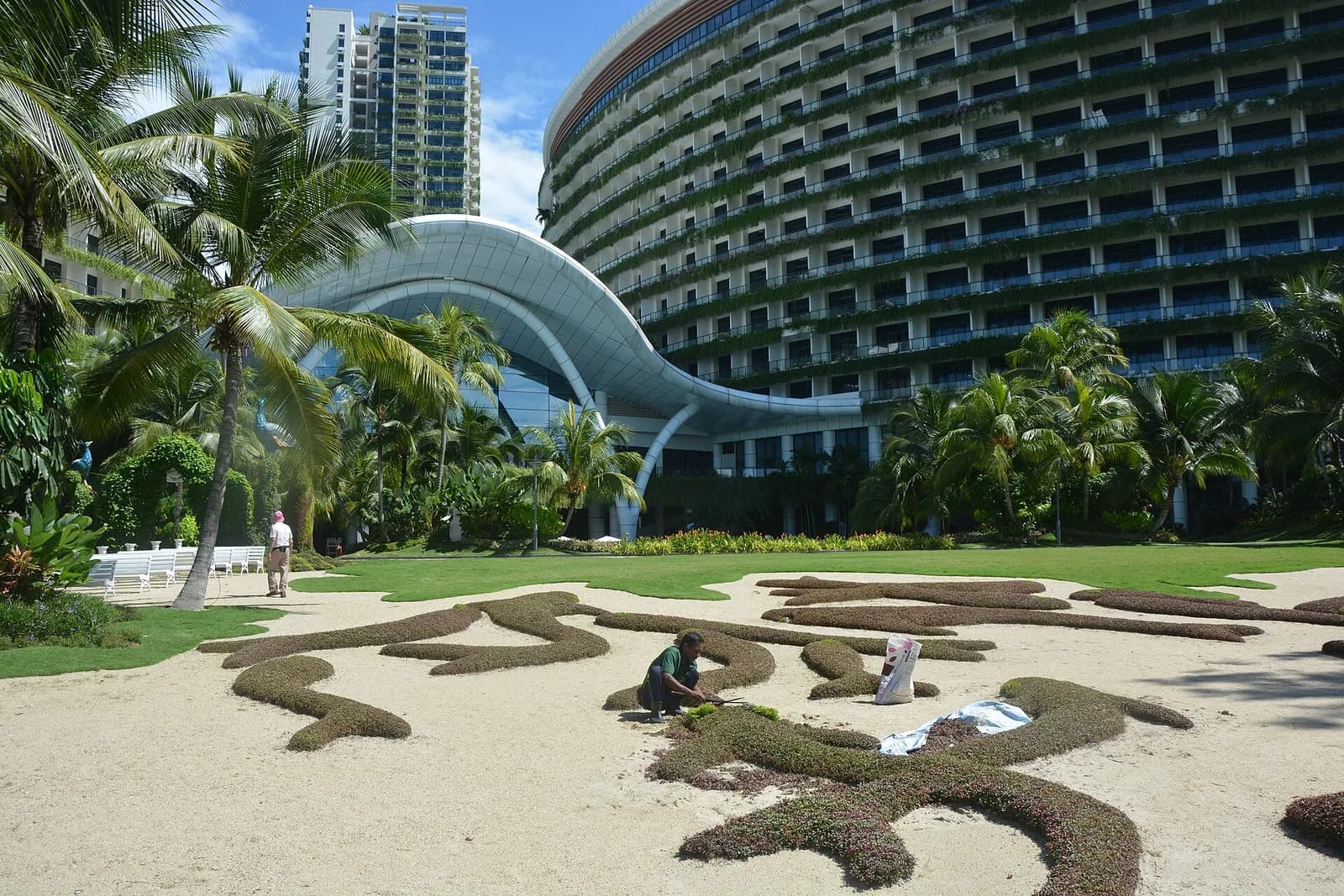
Beachfront Campus (Fisherman’s Wharf)
Forest City · Johor Bahru- The sea outside the classroom window — the marina on foot
- 3 one-to-one lessons with a native teacher every day
- House parent on site 24 hours
- Korean, Taiwanese and Chinese students learning together
- Dinghy sailing Level 1 · a 4 km beach · next door to Singapore
08 — Living & care
Away from their parents, still looked after
From meals and beds to laundry, pocket money and phones, the camp takes over what a parent would be doing.
House parent on site
A resident manager lives on campus and at the dormitory, looking after safety and daily life at close range.
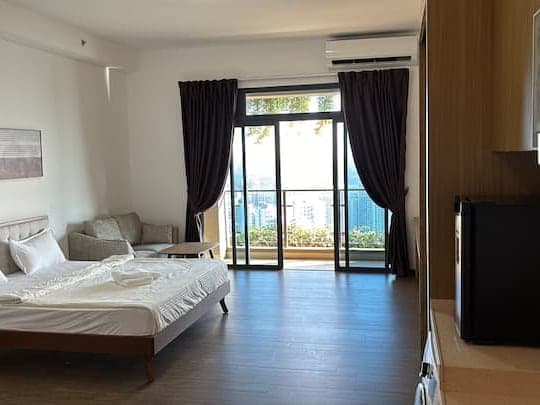
Rooms · Security
Boys and girls are housed separately, only enrolled students may enter, and security is on site 24 hours. Rooms are mostly twins.
Meals · Snacks
The academy provides three meals a day, plus fruit and other snacks between meals.
Housekeeping · Laundry
Professional cleaning twice a week and a laundry service twice a week. Students are guided to tidy their own belongings each day.
Pocket money
Local currency is held by staff in labelled envelopes and released on a planned basis.
Phone rules
Weekday use is restricted; phones are allowed only at set times such as weekend outings.
09 — Reassurance & contact
Far away, but seen every day
Daily photo updates
Photos of daily life and activities are posted every day so guardians can follow life on the ground.
Weekly progress report
The one-to-one teacher summarises progress, strengths and attitude once a week.
Weekly video call
A call with your child at a scheduled time. In the first weeks the house parent also briefs guardians separately.
Settling-in support
Through the first week the house parent reports on settling in every day; if homesickness is severe we add calls and adjust the group.
If a child is unwell or injured
The house parent contacts guardians immediately, accompanies the child to the designated hospital, and shares the consultation and prescription the same day.
Daily photos, a weekly progress report, a weekly video call — and if anything happens, the house parent contacts you first.
10 — Results and evidence
Four weeks of visible growth
Not simply an enjoyable holiday — it is designed so that evidence of growth remains.
Four weeks, twenty books
In the daily reading lesson and the evening Reading Club, students read levelled books and check comprehension with AR quizzes. What stays is the habit of reading every day.
English speech contest
Speaking in front of an audience lifts pronunciation, intonation and confidence — the place where the English they learned gets tested on a stage.
Dinghy Sailing Level 1
On completion they demonstrate Level 1 ability: sailing a dinghy single-handed in light winds.
Report & certificate
The camp closes with a level report and a certificate — graduation on 26 February.
Portfolio
How to use this in a university portfolio
The dinghy sailing course can be logged as an IB Diploma CAS activity and towards The Duke of Edinburgh’s International Award. Get approval from your school’s CAS coordinator or Award leader before the activity starts — retrospective approval is not always granted.
Whether an activity can be logged, and how far it counts, is decided by the student’s school and the awarding body. MEC and its partners provide the opportunity and the evidence of completion; they do not guarantee recognition.
More about dinghy sailing →Camp life
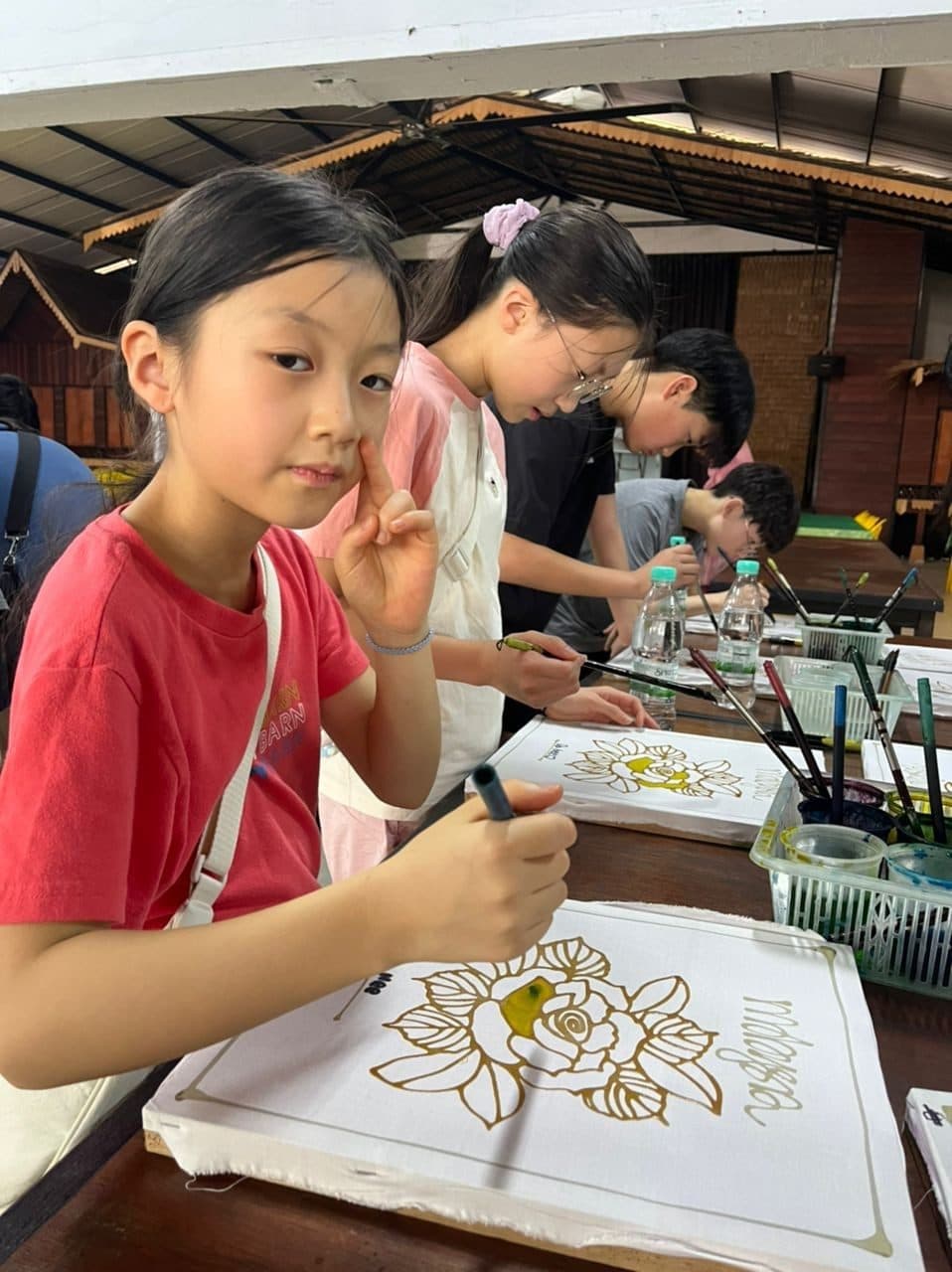
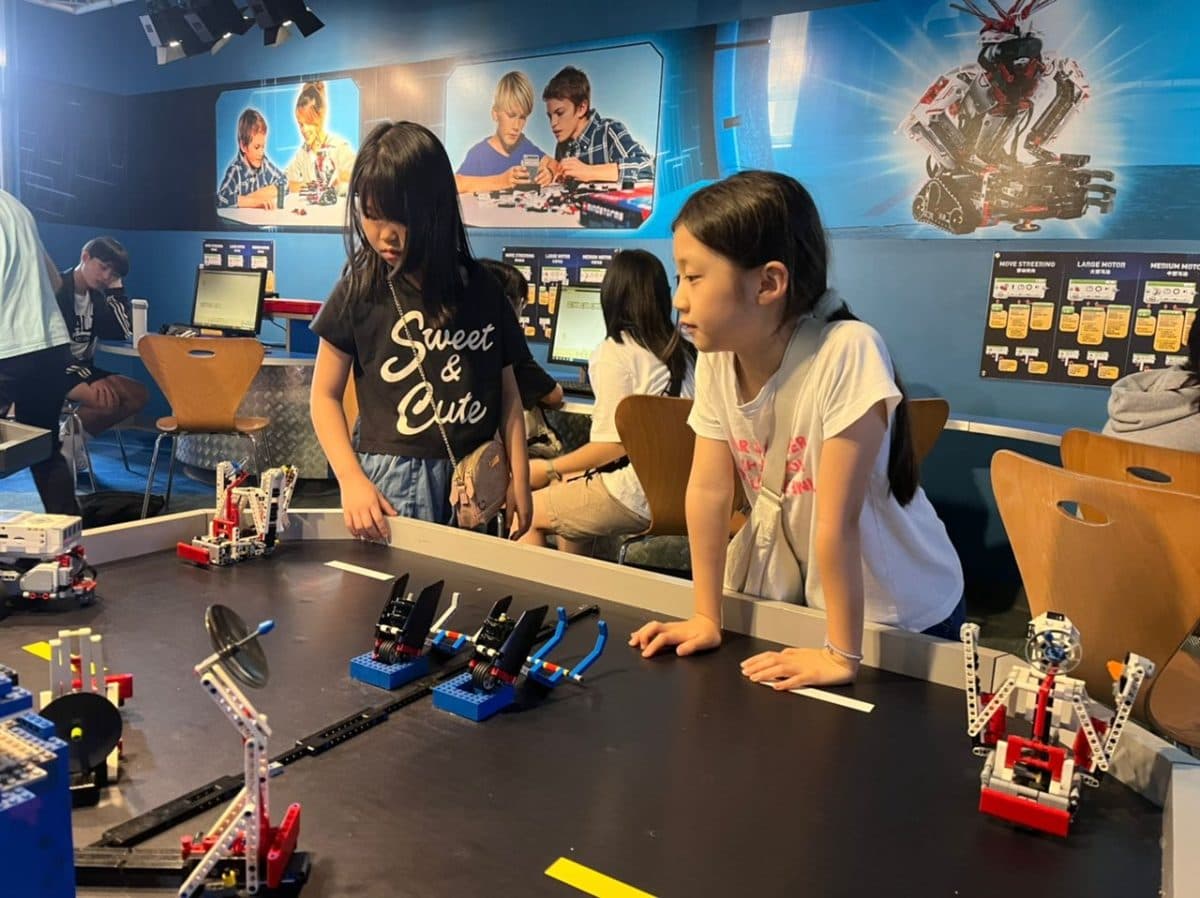
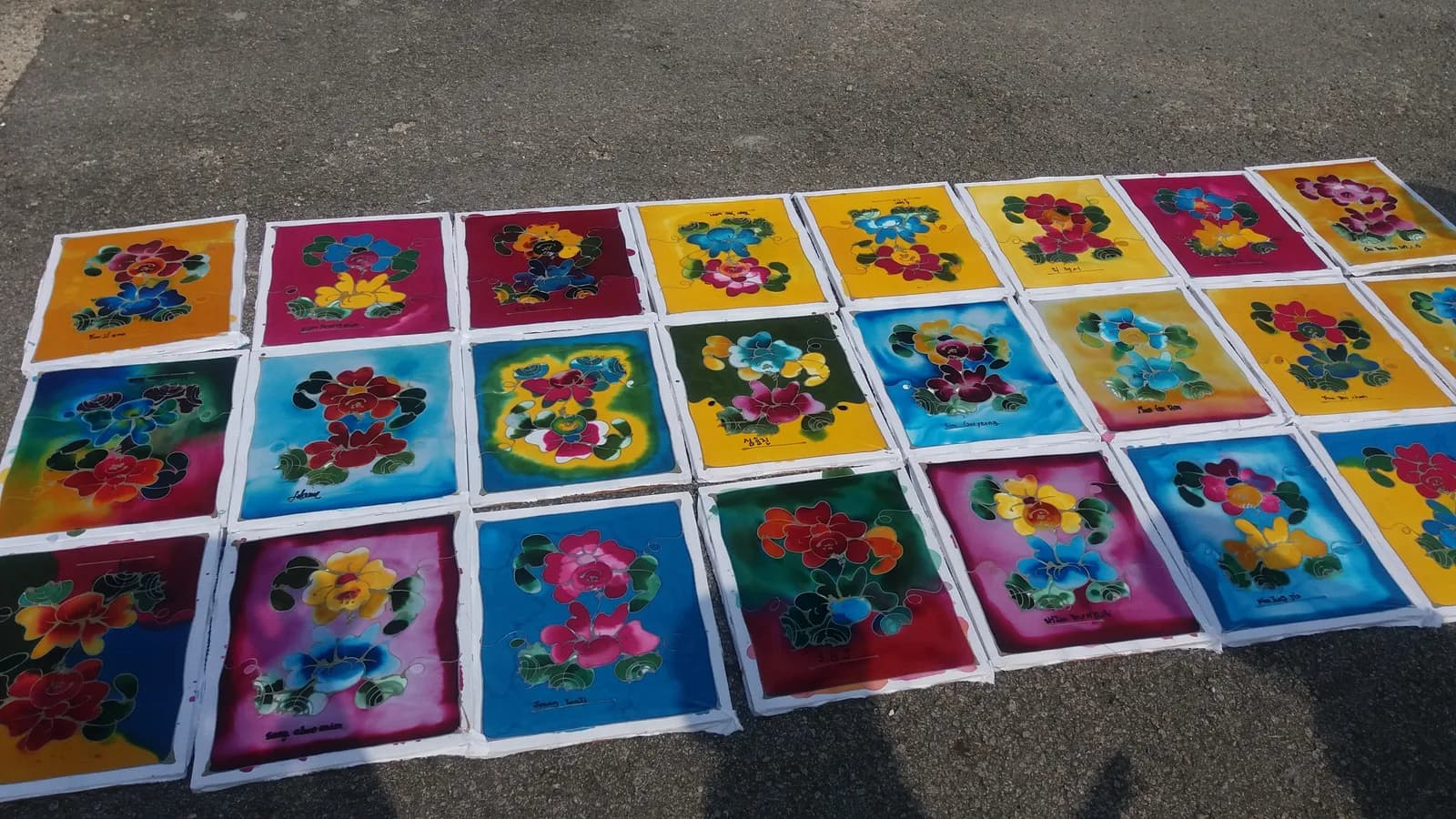
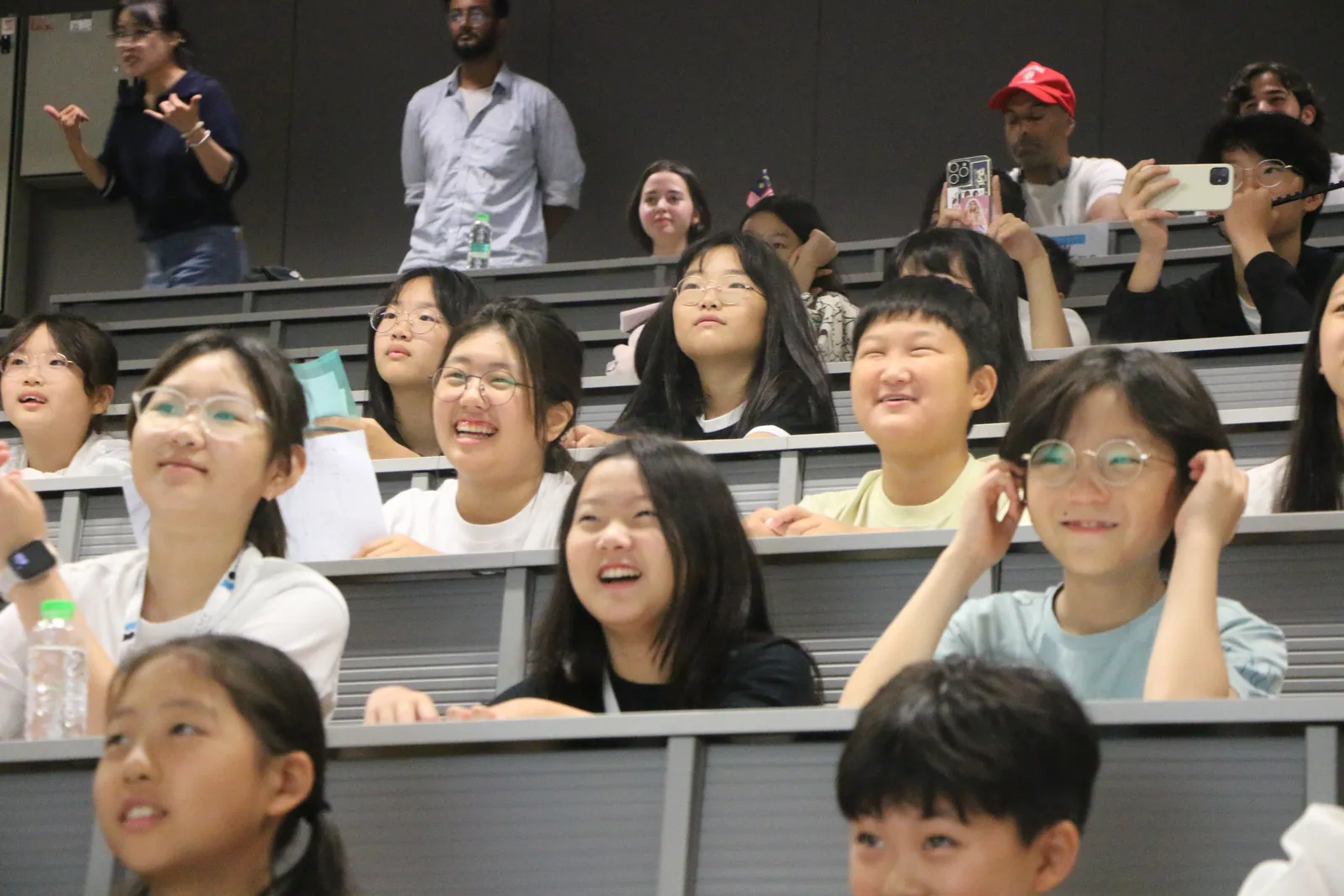
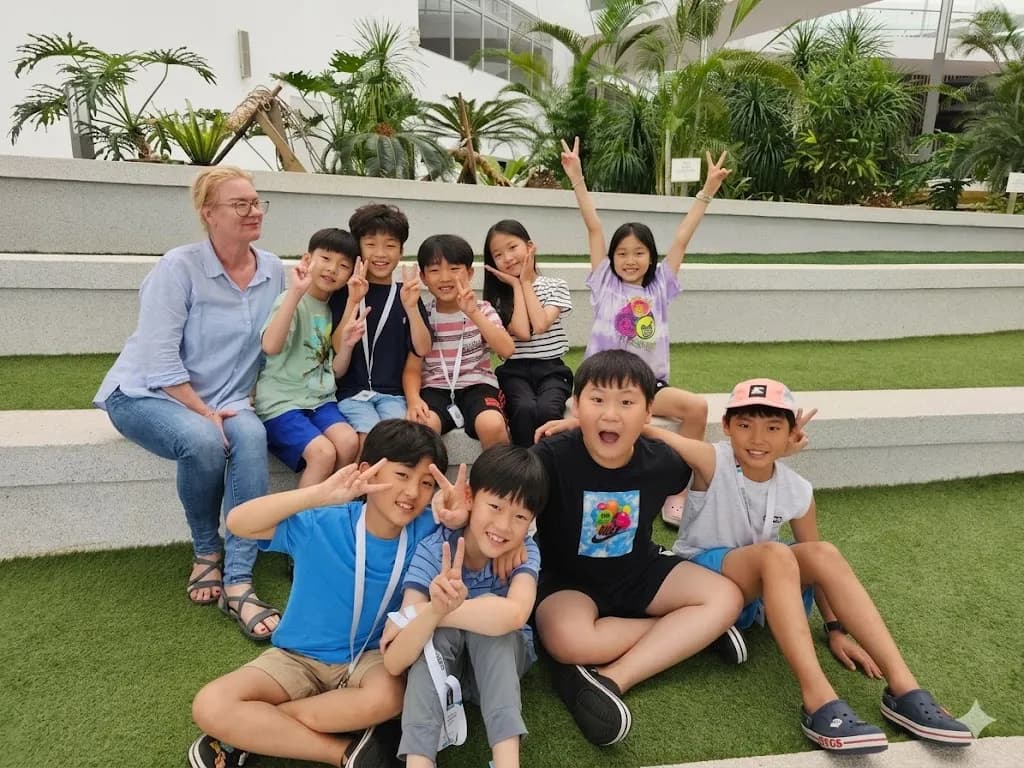
Moments from the camp
Learning, making friends and heading out to sea — four weeks they remember for a long time.

11 — Programme calendar
3 Jan (Sun) – 28 Feb (Sun) 2027
Immersion lessons midweek + evening class activities + Friday sailing + Saturday excursions. Students can join on any Sunday; the final arrival is 14 February.
| SUN | MON | TUE | WED | THU | FRI | SAT |
|---|---|---|---|---|---|---|
1/3 Arrival · free time | 1/4 Orientation · placement test | 1/5 Lessons | 1/6 Lessons | 1/7 Lessons | 1/8 Lessons + sailing | 1/9 Fireflies & sky lanterns |
1/10 Arrival · free time | 1/11 Lessons | 1/12 Lessons | 1/13 Lessons | 1/14 Lessons | 1/15 Lessons + sailing | 1/16 Gardens & Science Centre |
1/17 Arrival · free time | 1/18 Lessons | 1/19 Lessons | 1/20 Lessons | 1/21 Lessons | 1/22 Lessons + sailing | 1/23 Malacca tour |
1/24 Arrival · free time | 1/25 Lessons | 1/26 Lessons | 1/27 Lessons | 1/28 Lessons | 1/29 Lessons + sailing | 1/30 Universal Studios |
1/31 Arrival · departure | 2/1 Lessons | 2/2 Lessons | 2/3 Lessons | 2/4 Lessons | 2/5 Lessons + sailing | 2/6 Fireflies & sky lanterns |
2/7 Arrival · free time | 2/8 Lessons | 2/9 Lessons | 2/10 Lessons | 2/11 Lessons | 2/12 Lessons + sailing | 2/13 Gardens & Science Centre |
2/14 Final arrival | 2/15 Lessons | 2/16 Lessons | 2/17 Lessons | 2/18 Lessons | 2/19 Lessons + sailing | 2/20 Malacca tour |
2/21 Free time · personal admin | 2/22 Lessons | 2/23 Lessons | 2/24 Lessons | 2/25 Lessons | 2/26 Sailing · graduation | 2/27 Universal Studios |
2/28 All students depart |
Students arrive Sundays from 15:00 and leave Sundays at 11:00, accompanied by a parent or guardian (final arrival 2/14). Weekday evenings are Reading Club and class activities, with swimming on Wednesday. Public holidays and local conditions may shift parts of the schedule.
12 — Fees
Registration fee plus a weekly fee. That is all.
Lessons, room and board and sailing are all inside the weekly fee. Accommodation is not billed separately. The minimum stay is 2 weeks.
One-off
From 2 weeks · booked in whole weeks
Example: 4 weeks = registration RM 1,000 + RM 4,050 per week × 4 weeks = RM 17,200. Change the number of weeks and the same formula applies.
Included in this fee
- 9 lessons a day (including 3 one-to-one lessons with a native teacher)
- Dormitory accommodation (twin room · boys and girls separated · house parent on site 24/7)
- Three meals a day plus snacks
- Friday dinghy sailing, international Level 1 course — included in the fee
- Weekday evening programme — Reading Club · class activities (Wednesday: swimming)
- Full-day Saturday excursions — admission and transport
- Housekeeping twice a week · laundry twice a week
- Level report and certificate of completion
To arrange yourself
- Meals during Saturday excursions — admission and transport are included, but students buy their own food
- Flights
- Passport fees
- Pocket money · souvenirs
- Travel insurance
For Saturday excursions admission and transport are inside the fee, but meals are not — lunch and snacks that day are bought by the child with pocket money. Ordering in English is part of the day.
Arriving earlier or leaving later than the standard schedule adds a per-night charge.
13 — Applying and preparing
From application to departure
- 1
Send the application
Tell us your child’s age and level and the weeks you want, and we confirm the arrival Sunday.
- 2
Pay the deposit
The deposit secures the place.
- 3
Pay the balance
The balance is settled before departure.
- 4
Pre-departure guidance
We send what to bring, the house rules and how to reach us.
- 5
Departure
Students arrive and leave on Sundays, accompanied by a parent or guardian. The minimum stay is two weeks.
What to bring
Passport (6+ months validity) and two photocopies · personal tablet/iPad · swimsuit, swim cap and trainers · summer clothing · personal medication and sunscreen
Places are limited and can fill early. Students arrive Sundays from 15:00 and leave Sundays at 11:00; the final arrival date is 2/14. Arriving earlier or leaving later than the standard schedule adds a per-night charge.
Questions parents ask most
How do arrival and departure work?
Students arrive Sundays from 15:00 and leave Sundays at 11:00, accompanied by a parent or guardian. The minimum stay is 2 weeks and the final arrival date is 2/14.
How is the accommodation run?
Mostly twin rooms, with a resident house parent looking after safety and daily life. Boys and girls are housed separately, only enrolled students may enter, and security is on site 24 hours.
How will we hear from our child?
Photos of daily life and activities are posted every day so you can see life on the ground. A weekly progress report and a weekly video call are included as well.
How are meals provided?
The academy provides three meals a day plus snacks such as fruit. Meals during Saturday excursions are bought by the students with their own pocket money.
What if my child struggles to settle in?
Through the first week the house parent reports on settling in every day; if homesickness is severe we add calls and adjust the group.
What if my child is unwell or injured?
The house parent contacts you immediately, accompanies your child to the designated hospital, and shares the consultation and prescription the same day.
Can they use their phone?
Weekday use is restricted and allowed only at set times such as weekends. Calls with guardians are guaranteed separately.
How are the excursions run?
One accompanying teacher for every 8–10 students. Admission and transport are included; meals are bought with pocket money. Students join every excursion that falls within their enrolled weeks.
Ready?
Reserve your child’s winter now
MEC Junior Intensive English Camp · intensive English + sailing + swimming · Winter 2027. Places are limited and can fill early.